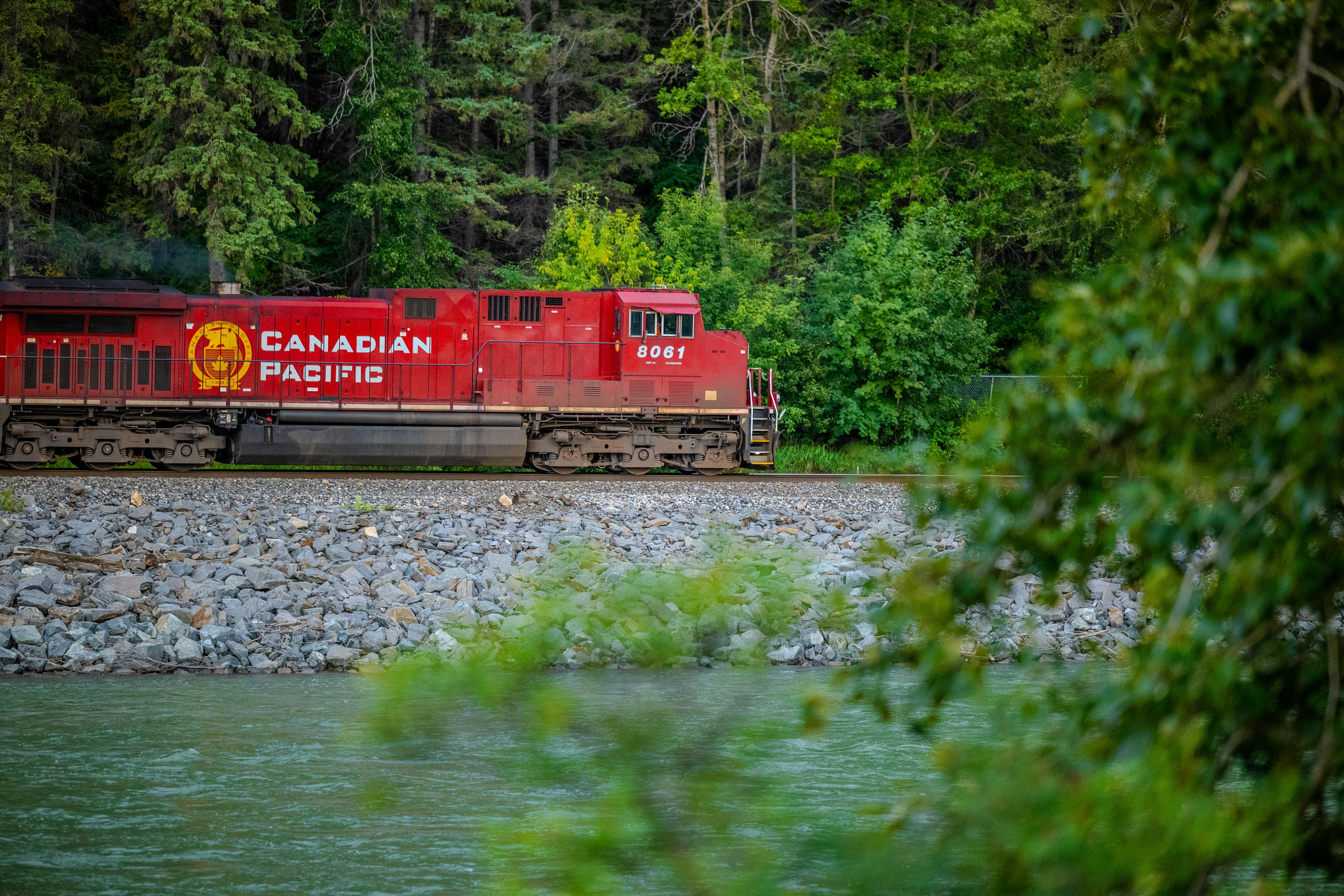
When steel first crossed the vast Canadian expanse, it didn't just connect cities. It wove together stories of ambition, perseverance, and transformation that still echo through mountain passes and prairie flatlands.
The railway shaped more than geography. It redefined how communities formed, how commerce flowed, and how people understood distance itself. Each station platform held countless farewells and reunions. Every crossing marked where progress met the wild.
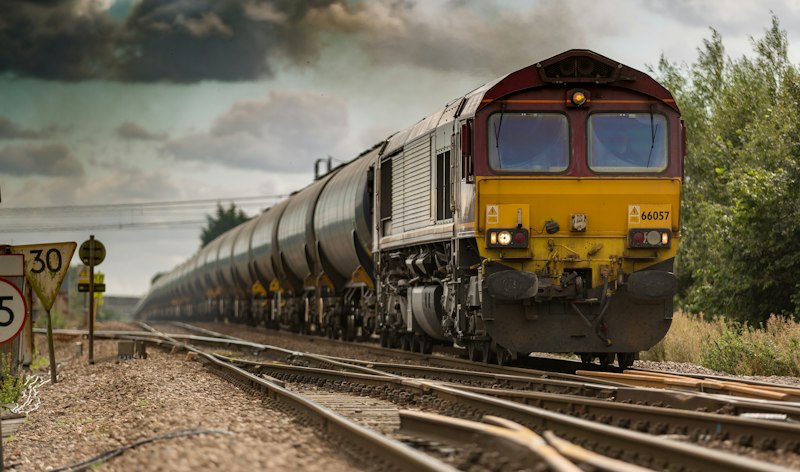
Where History Meets the Rails
Understanding these iron corridors means more than studying timetables and engineering feats. It requires walking where surveyors once stood, imagining the impossible, then making it real through sheer determination.
The transcontinental vision emerged not from boardrooms alone, but from the collective will of a young nation seeking to bind itself together. Political promises met geographic reality in ways both dramatic and subtle.
"The railway didn't follow the easiest path—it carved the necessary one."
Through Rogers Pass and along the Fraser Canyon, through muskeg and across wind-swept prairies, the route chosen tells stories of compromise between ambition and terrain. Each curve, each grade reflects decisions made under pressure, often with incomplete information.

Preservation Through Understanding
Today's heritage sites represent more than nostalgia. They serve as tangible connections to the challenges and triumphs that shaped the nation. Preserved locomotives, restored stations, and maintained right-of-ways offer insights that photographs and documents cannot.
Our work focuses on making these connections accessible and meaningful. Through carefully researched programs, we help individuals and organizations engage with railway heritage in ways that honor both history and contemporary relevance.
Beyond the Main Line
Branch lines tell their own stories. These secondary routes served communities that might otherwise have remained isolated, bringing goods, mail, and connection to remote settlements. Their history often reflects local determination and ingenuity.

Mining railways, logging railways, and short-line operations each contributed to regional development in distinct ways. Their equipment, practices, and challenges differed from the transcontinental giants, yet their impact proved equally significant for the communities they served.
The Human Element
Behind every locomotive sat engineers who knew their machines intimately. Station agents managed complex logistics with telegraph and timetable. Section gangs maintained thousands of miles of track through every season. Conductors ensured safe passage for passengers and freight alike.
Their working conditions, skills, and daily routines form an essential part of the larger narrative. Understanding railway history means understanding these human experiences—the mundane and the exceptional, the routine and the crisis.
Services for Engagement
We offer specialized programs designed for various needs and interests. Each service reflects deep research and practical experience in heritage interpretation.
Heritage Site Consultation
Analysis and recommendations for preserving and interpreting railway heritage sites, including structural assessment and visitor experience design.
Archival Research Services
Deep investigation into railway operations, routes, and equipment using primary sources including company records, technical documents, and personal accounts.
Educational Program Development
Creation of curriculum and materials for schools, museums, and heritage organizations focusing on railway history and its broader context.
Documentation & Recording
Professional documentation of railway artifacts, structures, and landscapes using contemporary standards for heritage preservation.
Guided Historical Tours
Customized tours of significant railway sites with expert interpretation, available for groups and organizations.
Contemporary Relevance
Railway heritage offers lessons for present challenges. Infrastructure planning, environmental adaptation, community development—these themes resonate across time. The decisions made by railway builders continue to influence transportation networks, urban development, and regional economics.
Studying this history provides perspective on long-term thinking, the interplay of technology and geography, and the social impacts of major infrastructure projects.
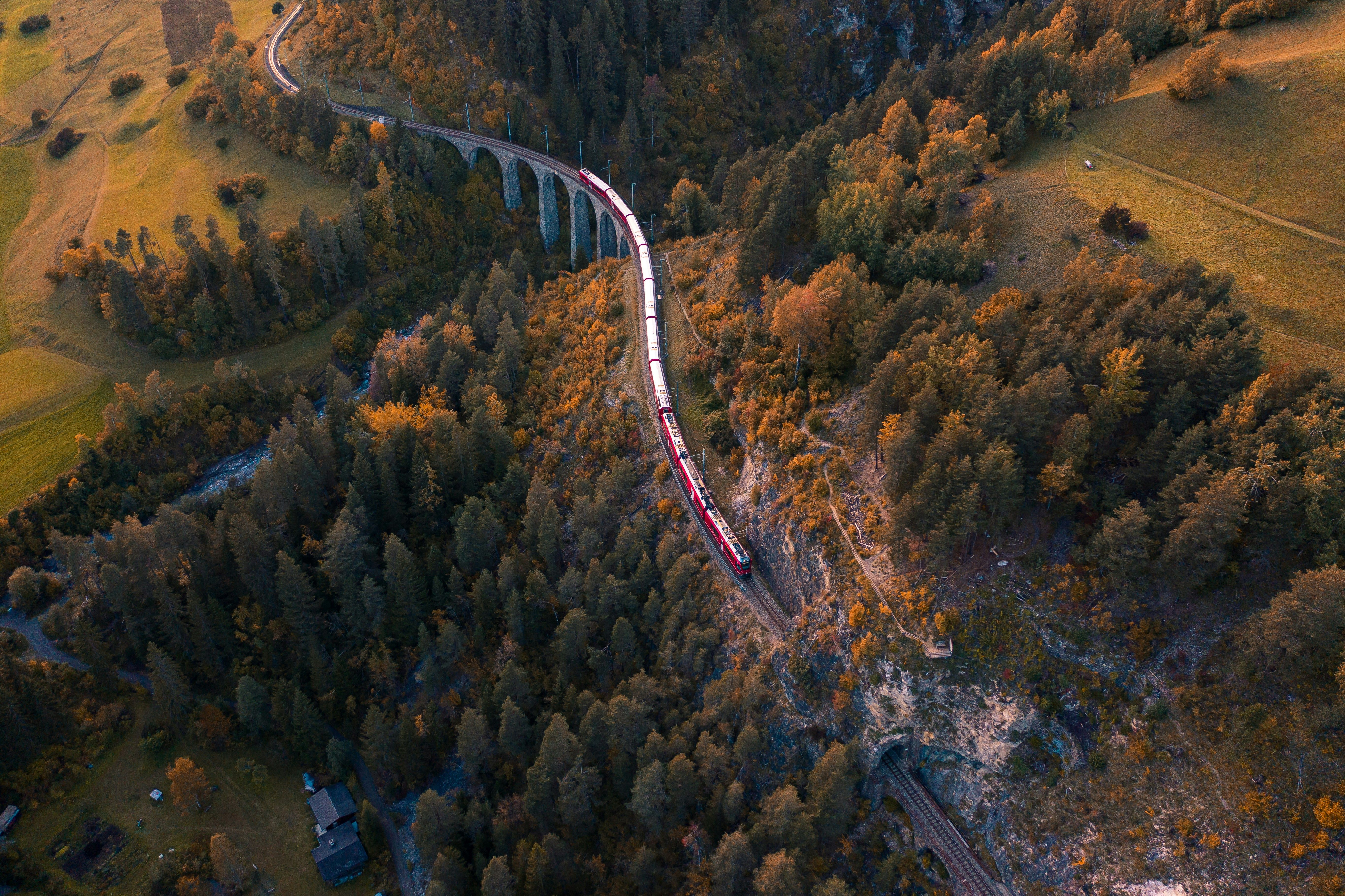
The railway's legacy extends beyond preserved equipment and restored buildings. It lives in settlement patterns, in the location of cities and towns, in economic relationships that persist decades after the last train passed through.
Disclaimer: Information provided is for educational and consulting purposes. Historical interpretations may vary based on available sources. Services offered do not replace professional engineering, legal, or municipal advice. Results and outcomes depend on specific circumstances and client needs. We recommend consultation with appropriate specialists for projects requiring technical or regulatory expertise.